Article I, Section 8, of the Constitution of the United States requires Congress “promote the Progress of Science and useful Arts”. It also requires that scientists and inventors be given rights against unfair competition and intrusion into the independence of their work. Though not often cited, this short passage of the Constitution set in motion the greatest national scientific endeavor in world history, which has in turn made the U.S. an undisputed world leader, beyond politics and wealth, due to its generation of new practical knowledge.
In 2025, we are witnessing what some have described as a national suicide, as the executive administration seeks to dismantle, defund, or coopt major scientific institutions—without any legal authorization to do so. One article described this as “a scientific superpower destroying itself”. This dismantling of institutions conceived, built, and funded by the American people, has cost hundreds of thousands of lives, will likely kill millions in the next few years, and is weaking the country in ways that may not be reversible for generations.
NCAR is a great achievement of the American people & a vital source of useful knowledge.
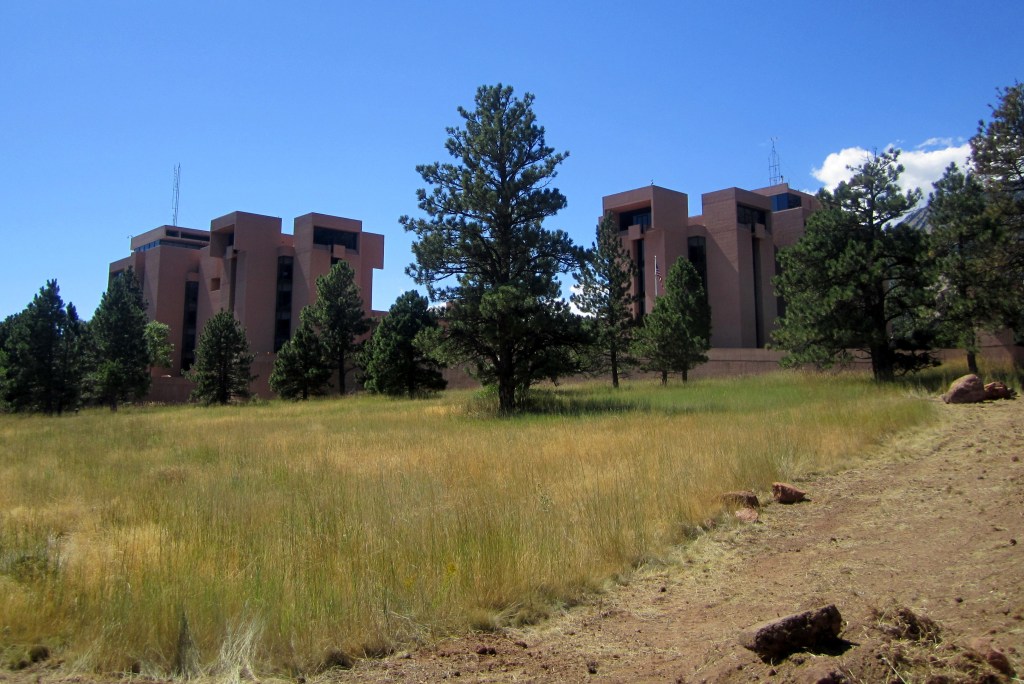
The most recent example is NCAR, the National Center for Atmospheric Research, which the Trump administration has announced it plans to defund, dismantle, and deactivate. Incredibly, the President and OMB Director admit their aim is to restrict access to scientific information, for ideological purposes.
I will let the respected scientist Ben Santer have the first word on NCAR:
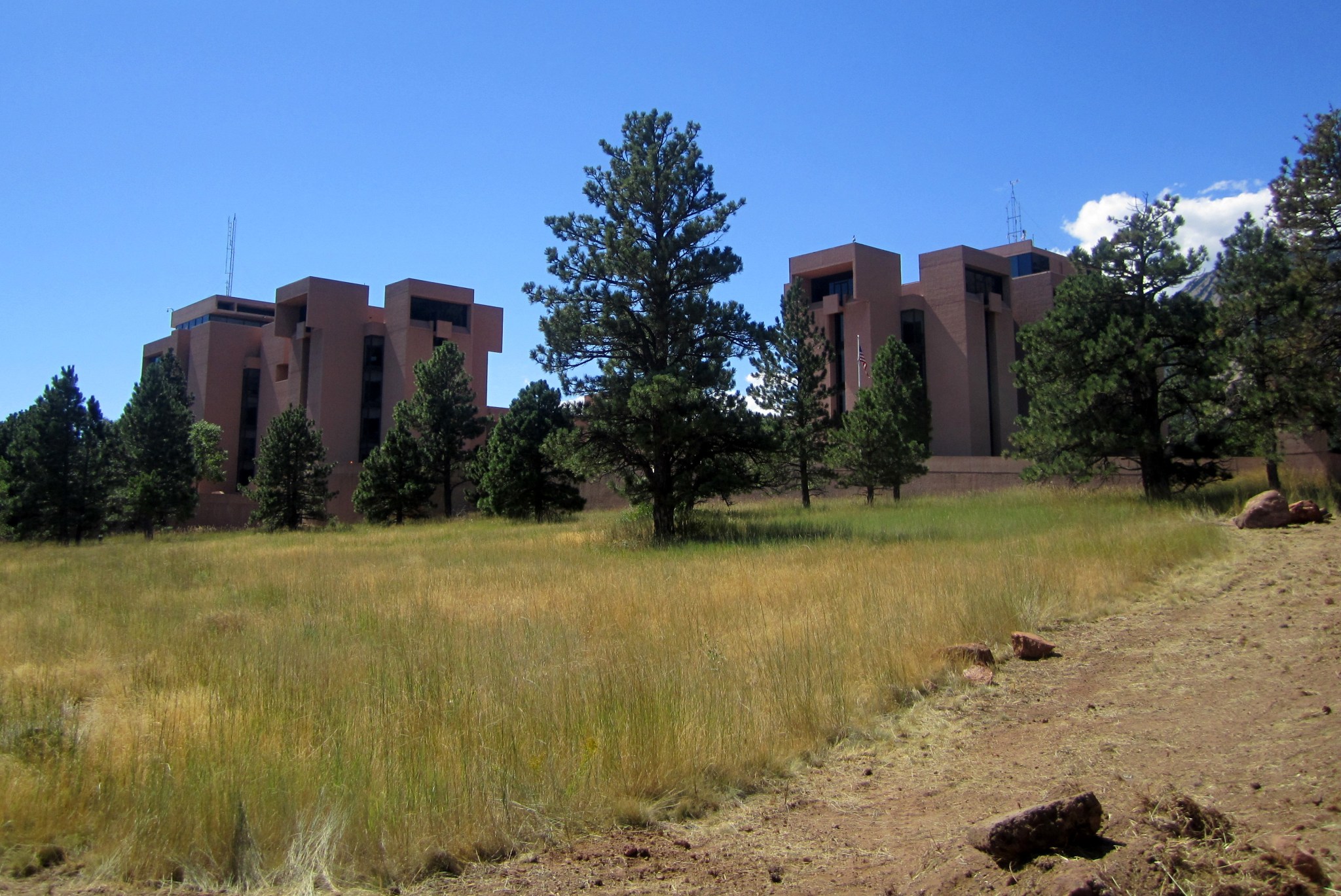
The National Center for Atmospheric Research is the scientific equivalent of Camelot — a shining beacon of knowledge. Many of the best and brightest climate scientists in the world have worked or studied there. NCAR has been home to hundreds of pioneers in modeling and measuring Earth’s climate system, and to leaders in advancing our understanding of the inner working of the atmospheric and ocean general circulation. The iconic red stones of NCAR’s buildings have borne witness to major scientific discoveries, the training of generations of Earth scientists, and meetings that shaped the history of our field.
Now Camelot is being shut down by the Trump Administration. The Administration seeks to turn off this powerful beacon of knowledge, and many others like it. To keep us all in the darkness of ignorance… This is a sad and shameful day for the United States. One of many sad and shameful days we’ve had in the last year. U.S. citizens need to understand that the willful destruction of science will not Make America Great Again. It will diminish America for generations.
We cannot effectively live our everyday lives without a deep and precise understanding of planetary systems and their fluid dynamic interactions. That is what NCAR scientists study. They help to make weather forecasting accurate, evolutionary, and useful. That means they help to save lives and prevent horrific, senseless tragedies.
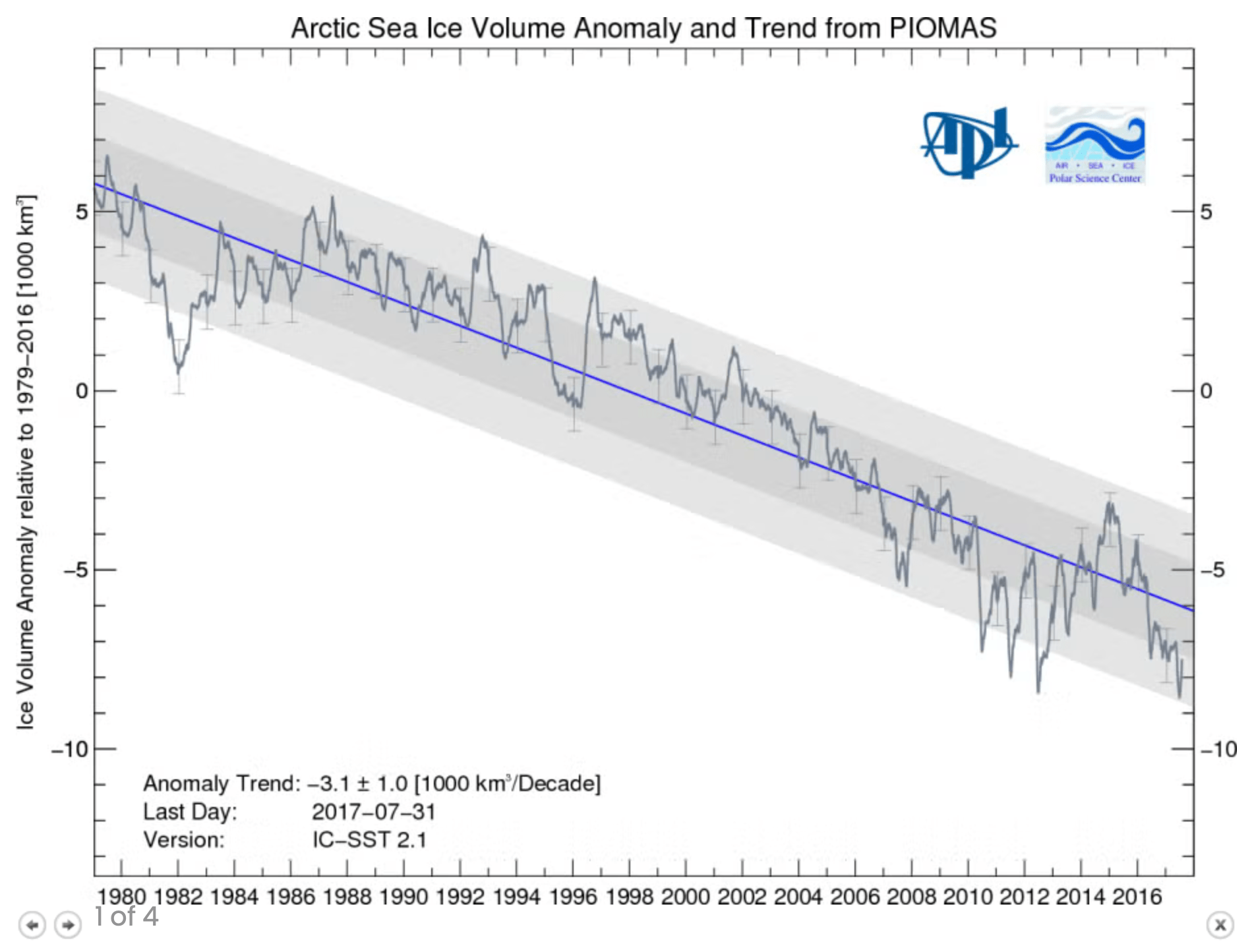
Earth is the only place we know of that harbors complex life and so is hospitable to humanity. No other world in our Solar System is fit for life as we know it. Consider the immense detail with which investors study financial trends, sports fans study athletic performance, and tech companies look for high-value opportunities in online metadata. Imagine treating our only cosmic home as if it did not deserve to be understood in such detail. The risks are unthinkable.
Ignorance is devastatingly costly.
A friend recently asked me what two issues related to worsening climate disruption I would share with a non-technical audience. Unfortunately, there are countless ways in which climate change is already causing immense cost and risk to proliferate through our lives. But two key points stand out, which affect and should matter to every thinking, feeling human being:
- Everyday costs – Climate risk and impact costs are being built into every area of the economy; this hits your personal finances as higher prices for everything from eggs to phones to cars and homes.
- Security threats – Geophysical threats to local communities—when you take all localities together—are already greater than the federal government’s ability to respond, and national security threats are spreading.
Climate costs are adding to the price of everything—right now, today, and the amount keeps rising. The Trump administration has no plan—in any area, in any agency, in any detail—to change this. Everything the current government is doing, whether lawfully or unlawfully, is orienting the U.S. towards a future of endlessly rising embedded climate costs.
In local context, that means horrific tragedies like the Texas Hill Country floods that senselessly took innocent children’s lives. It means firestorms that overtake whole towns and regions. It means disaster relief costs can far exceed the total income of a given town or affected local area.
Beyond $7 trillion in annual subsidies tracked by the International Monetary Fund, the costs of unchecked climate disruption pose a serious, ongoing threat to national fiscal and economic security:
- The 2022 Global Turning Point report found unchecked climate disruption would cost $178 trillion by 2070.
- The Commodity Futures Trading Commission found in 2020 that unchecked climate change would destabilize the financial system and undermine its ability to support the everyday economy.
- In 2021, the Financial Stability Oversight Council issued a similar finding, warning “Climate change is an emerging threat to the financial stability of the United States.”
- In just four months, between September 2024 and January 2025, the U.S. experienced two extreme weather events fueled by global heating that are projected to cost more than $250 billion each (Hurricane Helene and the Los Angeles fires), over the coming years and decades, as aftermath and rebuilding play out.
- The total cost of 403 disasters in the U.S. costing $1 billion or more since 1980 is reported to be $2.945 trillion. Nearly 1/5 of that cost (over 45 years) has come in the last year.
Meanwhile, the Food System Economics Commission has tracked more than $148 trillion spent on the costs of unsustainable food systems, since April 2016—about $40 billion per day or $15.4 trillion per year. For reference, only the US and China have national economies larger than that. Climate costs embedded in food prices are only rising, while food produers face ever thinner margins and greater risk of economic failure.
Know Nothingism is antithetical to freedom, progress, and prosperity.
Before the Civil War, there was a violent terrorist sect that called itself The Know Nothings. They waged a seditious war against the United States and the Bill of Rights on the premise that only a specific kind of American-born person of white European ancestry should have rights and privileges. Instead of supporting freedom, they sought to reverse the Revolution while aspiring to install their own sadistic authoritarian ideology in place of the King of England.
The Know Nothings bombed churches, launched paramilitary strikes on peaceful communities, wore masks, kidnapped people off the streets, engaged in summary execution, and sought to terrorize the young republic into accepting an end to the nascent project of human liberation. They took their name from the rule that anyone associated with the terrorist group should say they “know nothing” about it, but that rule morphed into a new ideology, which held that it was a threat to their quest for absolute rule that society be allowed to share and openly access facts about the world.
Open minds were their enemy, because free people treat other people as human beings endowed with universal rights. Know-Nothingism does not free us from “burdensome regulation”; it condemns us to the horrors of Dark Age authoritarianism, degradation, and violence.
A free society works because power must, by law, operate in service of all people, even the most marginal and least influential. The American democratic republic was the first in history to recognize human rights as universal and unalienable; it was the first to prohibit any form of retaliation for criticism of the government, and it was the first to require government to support the advancement of science for the benefit of all.
The open flow of factual information, collected and refined by independent non-ideological institutions, is vital to ensuring that every citizen can seek and acquire knowledge and make informed judgments about what is real and what is right. Only if this is possible, can a free people also be effectively self-governing. The elimination of climate science institutions undermines the solvency of the U.S. public and private sectors, and human freedom itself.
 The Poet Economist